
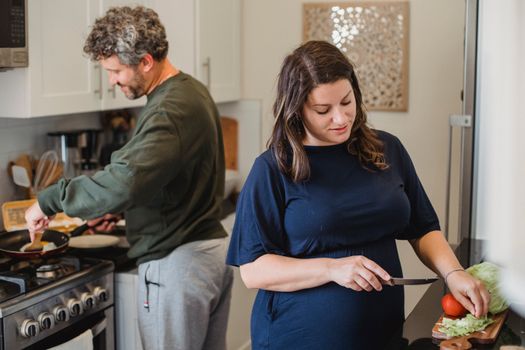
Walking to the corner shop alone. Cooking a meal in your own kitchen. Deciding how to spend a Saturday, who to spend it with, and what you are willing to try even though you might not get it right the first time. Most adults make decisions like these without a second thought. For many people with disability, they turn into a negotiation.
Dignity of risk is the principle that sits underneath that negotiation. It recognises a person's right to make choices, even when those choices involve some level of risk. In disability support, it is what keeps choice and control from being a slogan and makes it something you can feel in your everyday life.
What Dignity of Risk Actually Means
At its core, dignity of risk means recognising a person's right to make choices, even when those choices involve some level of risk. It overlaps with two ideas that appear throughout disability, aged care and mental health literature: positive risk-taking and therapeutic risk-taking. Both describe situations where a person takes a reasonable risk in order to learn, grow, take part or simply live a life that feels like their own.
That framing matters. Risk is not treated as something to be eliminated. It is treated as an essential component of learning and growth, and as something a person has a right to encounter on their own terms.
Risk is part of everyone's life
People without disability take risks constantly. Learning to drive, changing jobs, moving house, travelling somewhere new. Nobody requires a formal planning meeting before any of it. Dignity of risk asks why a person with disability should need one for the kinds of decisions everyone else makes freely, and what a fair level of support looks like when a decision carries genuine consequences.
A right, not a reward
Choice is sometimes treated as something a person earns by demonstrating they can manage it. Dignity of risk starts from the opposite position. The right to take reasonable risks belongs to the person, and support exists to make that right workable rather than to grant or withhold it.
Where the Idea Comes From
The term appears across disability support training and practice, including Certificate III level study in individual support for ageing and disability, where it is taught alongside duty of care as part of everyday practice standards. Disability writer Robert Perske is the name most often attached to early writing on the concept, and his work still appears in current presentations and papers on the topic.
The idea also travels into mental health and aged care settings. It shows up in advocacy training, in provider guidance, and in the ordinary conversations support workers have with the people they support every week.

Dignity of Risk and Duty of Care
These two ideas are usually discussed together because they pull in different directions. Commentary on the NDIS describes dignity of risk as operating largely as an ideology within the scheme, while duty of care governs everyday practice. In other words, the policy language backs your right to take risks, and the practical reality of a support worker standing beside you involves their duty to keep you safe. Getting those two things to work together is the actual skill.
| Focus | Dignity of risk | Duty of care |
|---|---|---|
| Starting point | Your right to make the choice | Your safety and wellbeing |
| Looks like | Supporting a decision, including a riskier one | Recognising hazards and taking reasonable steps to reduce them |
| Risk treated as | Part of learning, growth and a full life | Something to identify, discuss and manage |
| Where tension shows up | When the person's choice is not the safest option | When caution removes a choice the person wanted to make |
What duty of care looks like day to day
In practice, duty of care is rarely dramatic. It looks like checking that equipment is working, noticing changes in someone's health, being honest about what could go wrong, and taking reasonable steps to reduce the chance of harm. It is not a licence to overrule an adult who has made a decision someone else disagrees with.
What positive risk tools add
Positive risk tools are practical frameworks that help disability support workers balance dignity of risk with duty of care and quality of life. Instead of choosing between safety and choice, they help a team talk through what the person wants to do, what could realistically go wrong, what would lower the chance of harm without removing the experience altogether, and who needs to know about it.
Why Removing Every Risk Is Not the Safest Option
Research on risk as a right argues that disabled people are often robbed of their right to take risks and learn from the consequences of their behaviour. When support removes every possible risk, the person does not become safer in any broad sense. They become more dependent, less practised at weighing their own decisions, and cut off from the experiences that build confidence and skill.
There is a quieter cost as well. Being told no, repeatedly, changes how a person sees themselves. Support that is always cautious can communicate that the person is not capable, even when the intention was protection.
What Dignity of Risk Looks Like in Daily Support
- Talking through a decision rather than making it for the person, and being clear about what the person actually wants.
- Reducing harm without cancelling the activity, for example changing how something is done or when it happens.
- Recording decisions, consent and refusals so the choice belongs to the person in writing, not just in someone's memory.
- Reviewing what happened afterwards. If something did go wrong, that is information to learn from rather than a reason to remove the option permanently.
- Keeping the person's own reasons at the centre, including reasons a support worker might not share.
Documenting Choices, Consent and Refusals
Documentation is where dignity of risk often gets tested. Compliance guidance written for Australian care teams treats consent, refusal of care and dignity of risk as items that need consistent documentation standards and workflows. In plain terms, if you were offered a choice, understood it and decided against it, that decision should be recorded clearly and respected.
A refusal is not automatically a safety incident. It is often a person exercising the very right the principle is built around. What matters is that the conversation, the information given and the person's decision are captured accurately, so nobody later reverses a choice they were not part of.
Where Families and Support Networks Fit
Families carry a particular weight here. They often hold years of knowledge about the person and real fear about what could go wrong. Duty of care and dignity of risk are commonly framed as things families need to understand too. A useful starting point is separating worry from control. A family member's concerns are important information, but they do not replace the person's decision.
Support coordinators, family members and support workers all do better when they share an understanding of what the person wants and how risk will be handled. The person's own account should stay the reference point.

Choosing Support That Protects Your Right to Choose
Unique Needs is a locally owned and operated disability support provider based in Launceston, Tasmania, supporting people across Launceston and Northern Tasmania with personal care, in-home support, community access, respite and daily living assistance. The organisation is small by choice, which means participants can know the people supporting them and speak directly with the people managing their supports.
The approach is to provide support with people rather than doing things for them, and to treat individual choice and control, dignity and respect, and everyday confidence as part of the job rather than extras. In practice that looks like questions instead of instructions, and decisions that stay with the person. If your current support does not leave room for your choices, that is worth raising directly with your provider or your support coordinator.
Frequently Asked Questions
What is dignity of risk in disability support?
Dignity of risk means recognising your right to make choices, even when those choices involve some level of risk. It treats risk-taking as part of learning, growth and a full life rather than something to be removed. In practice, you stay the decision-maker while support workers help you understand and manage the risk instead of taking the choice away.
Is dignity of risk a legal requirement?
It is best understood as a principle that shapes how services are delivered rather than a single standalone rule. Commentary on the NDIS describes dignity of risk as largely an ideology within the scheme, while duty of care governs everyday practice. Because guidance can change, check the current position with your provider, your support coordinator or the relevant official source.
How does dignity of risk work alongside duty of care?
Duty of care is about keeping you safe and well. Dignity of risk is about your right to decide, including when a decision carries risk. The two are managed together through conversation and positive risk tools that look at what you want to do, what could realistically go wrong, and how to reduce harm without cancelling the experience.
What happens if my support worker disagrees with my choice?
They should tell you their concerns honestly, explain what worries them, and work through options with you. Disagreement is not the same as a veto, and duty of care does not automatically override an adult's decision. If a difference cannot be resolved between you, ask to involve your support coordinator or the provider's management.
Why should choices and refusals be documented?
Documentation protects your decision and makes sure everyone involved understands what you agreed to, what you declined and why. Guidance for Australian care teams treats consent, refusals and dignity of risk as things that need consistent recording. Clear notes also reduce the chance of a choice being quietly reversed later by someone who was not part of the conversation.