

Disability support work offers something that many jobs do not: the chance to make a genuine difference in someone's life, every single day. In Launceston and across Northern Tasmania, the demand for skilled and caring support workers is strong, with jobs available right now across the sector.
If you have been thinking about a career in disability support, the good news is that it is an accessible field. You do not need a long list of university degrees, and there are multiple pathways in, including paid entry-level roles and formal training. This guide covers the training, qualifications and personal qualities you need to start your career as a disability support worker in Launceston.
What Does a Disability Support Worker Do?
Support workers provide practical, personalised support to help people with disabilities live as independently as possible. In Launceston and Northern Tasmania, these roles can include personal care such as bathing, dressing and grooming, in-home support like cleaning, meal preparation and cooking, and community access that helps participants get out and about.
The work also covers respite care and daily living assistance, along with helping participants build confidence and everyday skills. A good support worker focuses on individual choice and control, dignity, respect and meaningful relationships. The goal is to support people with a task rather than simply doing things for them, so participants can maintain their independence and enjoy a good quality of life.
Do You Need a Qualification to Get Started?
The short answer is no, not always. It is possible to work as a disability support worker without any formal qualifications and receive training on the job. Many entry-level support roles are open to people bringing varied life experiences, professional expertise and strong people skills. In fact, around 11% of disability support workers have completed only Year 10 or below.
That said, most employers treat the Certificate III in Individual Support (Disability) as the baseline for getting hired and building a real career. If you are serious about working in the sector in Launceston, enrolling in this qualification is the most reliable way to get your foot in the door.
The Certificate III in Individual Support (Disability)
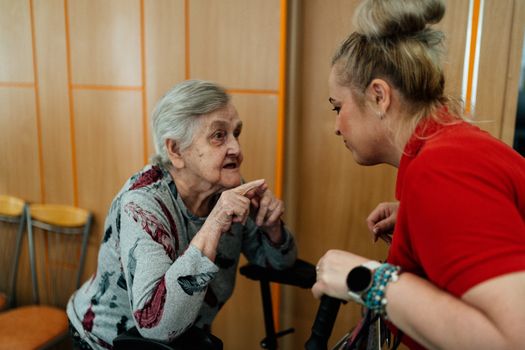
The Certificate III in Individual Support (Disability), also known by the course code CHC33021, is the main entry-level qualification for the sector. It is designed to kick-start a rewarding career in a skills shortage area and give you the practical skills and knowledge to provide individual support in home and community care settings.
The qualification takes around 11 months to complete and is typically delivered through a blend of virtual training and on-campus sessions. In many cases there are around eight on-campus sessions across the duration of the course, which suits people who need flexibility while they study. For Launceston residents, the blended delivery model is practical because it reduces the amount of travel required while still providing hands-on learning.
Entry requirements are modest. You generally need to have completed Year 10 or an equivalent level of schooling. If you are a non school-leaver, you may need relevant work experience or a qualification that indicates you are likely to succeed in the course. Before enrolling, it is wise to check the specific entry requirements with your chosen training provider, since they can vary between organisations.
Skills and Qualities That Make a Great Support Worker
Training providers recommend that anyone considering this career has an interest in working with people, good communication skills and the ability to multitask. These are the foundations of effective day-to-day support work.
Beyond those basics, success in this field comes down to how you treat people. The best support workers bring patience, empathy and a person-centred approach. They respect the dignity of each participant, support their independence and build consistent relationships. Local providers like Unique Needs place a strong emphasis on matching participants with support workers whose personality, interests and values suit their needs, because the relationship between a participant and their support worker can be just as important as the support task itself.
First Aid, CPR and Mandatory Checks
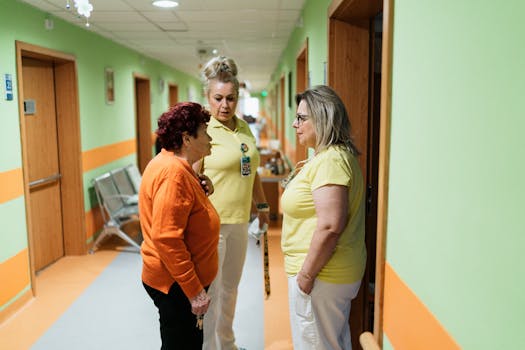
Alongside your Certificate III, there are a few practical steps you will need to take before you can start work. Booking and completing your First Aid and CPR courses is one of the first items on the list. These short courses give you the confidence to respond calmly in an emergency, which is an essential skill in any care setting.
You will also need to obtain the required checks before you are cleared to work with participants. The specific checks can differ between employers and states, so it is best to confirm what is needed with the organisation you want to work for or with the relevant official source in Tasmania.
Steps to Start Your Disability Career in Launceston
If you are ready to move forward, the sequence is straightforward. Your immediate to-do list looks like this: enrol in a Certificate III in Individual Support (Disability), book your First Aid and CPR courses, and arrange the mandatory checks required for employment.
You can also explore short introductory options, such as a course in Introduction to the National Disability Insurance Scheme, to build your understanding of the NDIS before you begin formal study. These courses are useful for anyone new to the sector who wants a clearer picture of how disability funding and supports work.
From there, look for entry-level support roles with local providers. Many organisations are hiring now and value a mix of life experience and people skills, even if you are still working through your qualification.

Why Local Providers Value the Right Approach
The disability sector in Launceston includes a mix of large organisations and smaller local providers. Small, locally owned providers such as Unique Needs take a different approach. They were established on the belief that disability support should feel personal and human, and that participants should be treated as individuals rather than numbers.
That philosophy shapes the way they hire. A support worker who is flexible, person-centred and genuinely interested in building relationships will always stand out. Community participation, independence, dignity, safety and consistency of support are the values that matter, and they are the same values that will carry you forward throughout your career.
Frequently Asked Questions
How long does it take to become a disability support worker?
The main qualification, the Certificate III in Individual Support (Disability), takes around 11 months to complete. It uses a blend of virtual training and on-campus sessions. Some people begin working in entry-level roles before they finish, because a formal qualification is not always required and on-the-job training can be arranged.
Do I need a qualification to work as a disability support worker?
No, it is possible to work as a disability support worker without formal qualifications and to be trained on the job. Many entry-level roles are open to people with life experience and good people skills. However, most employers treat the Certificate III in Individual Support (Disability) as the standard baseline for employment and career progression.
What are the entry requirements for the Certificate III in Individual Support?
The typical academic requirement is completion of Year 10 or equivalent. Non school-leavers need relevant work experience or a qualification that suggests they are likely to succeed in the course. You should also have an interest in working with people, good communication skills and the ability to multitask.
What checks do I need to become a disability support worker?
You will need to obtain the required checks before starting work, and you should also complete First Aid and CPR courses. The specific checks can vary depending on the employer and the state or territory, so confirm the exact requirements with the organisation you wish to work for or with the relevant official source in Tasmania.
Can anyone become an NDIS support worker?
You do not need educational qualifications to enter many support roles, and people from all backgrounds find success in the sector by bringing their life experience, professional expertise and people skills. What matters most is an interest in working with people, strong communication and the ability to multitask, along with completing the relevant training and checks to build a long-term career.