

Getting a decent meal on the table is one of those everyday tasks that quietly shapes the rest of your day. When a disability makes planning, shopping or cooking difficult, the effects reach well beyond the kitchen. Meals get skipped, grocery runs get put off, and eating becomes something to get through rather than something to enjoy. NDIS funding can cover support with meal preparation, and the right kind of support does more than put food on a plate. It builds habits, skills and confidence that carry into plenty of other areas of life.
How NDIS funding for meal preparation works
Meal preparation is not an unusual or separate category of support. It sits inside the funding many participants already hold. According to NDIS guidance, Meal Preparation and Delivery is included in a plan under Core Supports, and within Core Supports it falls under the category Assistance with Daily Living.
NDIS guidance explains that nutrition supports may be funded where a physical, cognitive or psychosocial disability means you have trouble preparing food for yourself, eating enough, or understanding the nutrition you need. The support that gets funded might be a dietitian building a meal plan with you, someone helping you follow that plan, or a support worker helping you plan, shop for and prepare meals. Where a person's intake is a concern, nutritional supplements can also come into the picture.
Guidance published in April 2025 confirms that support to assist with meal preparation can be funded under the NDIS, with the transitional NDIS Supports lists, which define what counts as an NDIS support, forming part of the framework. Funding rules and lists do change over time, so if you are unsure where your meal preparation support sits, your support coordinator or the NDIS can confirm the current position for your plan.
What in-home cooking support can look like
In-home support is flexible by design, because the person directing it is you. A support worker can take on as much or as little of the task as you want, and that balance can shift from week to week. The aim is support with you, rather than meals made around you.
Planning the week ahead
A support worker can sit down with you and map out a handful of meals before the shopping happens. That might mean checking what is already in the fridge and pantry, working around a dietitian's plan, factoring in appointments, or simply asking what you feel like eating. Planning ahead takes pressure off the days when energy is lower, and it makes the shopping list shorter and easier to manage.
Shopping together
Part of meal preparation support is often help with the shop. That could be a trip to the supermarket where a support worker helps you read labels, compare options, stay within budget or carry the bags. It could also be an online order placed together, with someone working through the list alongside you. Either way, the person doing the choosing remains the participant.
Cooking side by side
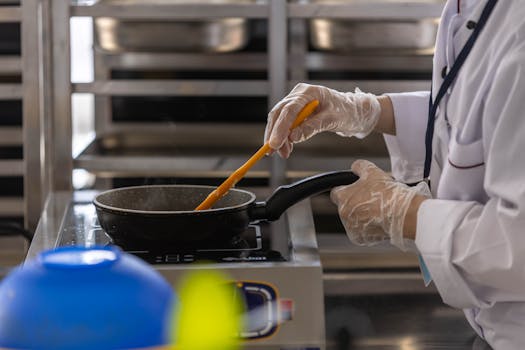
In the kitchen, support can mean peeling and chopping, supervising the stove, reading a recipe aloud, or standing back while you handle the parts you are comfortable with. Some people want a worker to do most of the cooking and keep them company. Others want to be hands-on and use the session to practise. Both are legitimate, and neither is a lesser version of the other.
Building skills at your own pace
Skills tend to grow in small increments. Someone might start with one reliable breakfast, move on to a pasta dish, then a meal that produces leftovers for the next day. Because the support happens in your own kitchen with your own equipment, whatever gets learned stays useful long after the session ends.

Comparing in-home cooking support with meal delivery
Meal Preparation and Delivery is treated as a single category of support, which reflects the fact that people use different combinations of it. Some participants cook with a worker, some have meals delivered, and plenty do a bit of both. The two approaches do different jobs.
| Consideration | In-home cooking support | Meal delivery |
|---|---|---|
| What it involves | A support worker helps you plan, shop and cook in your own kitchen | Prepared meals are brought to your home |
| Skills | Builds cooking and planning skills that stay with you | Little skill building, though meals remain a dependable option |
| Flexibility | Adapts to your preferences, routine and health goals | Limited to the menu a service offers |
| Costs | You pay for ingredients as an everyday cost, with NDIS funding covering support time | Some services advertise that a portion of preparation and delivery costs can be reimbursed, with arrangements varying |
Ingredients, dietitians and everyday costs
One detail worth understanding early is where the money goes. Ingredients are generally treated as an everyday cost that the participant pays, while NDIS funding covers the support provided. That distinction matters when you are working out what your plan can realistically stretch to each week.
Commercial meal delivery is a different arrangement again. Some delivery services advertise that a portion of their preparation and delivery costs may be reimbursed through an NDIS plan, but terms differ between providers and depend on what your plan actually includes. Treat advertising claims as a starting point rather than an answer, and check the detail with your support coordinator or the NDIS before committing to a subscription.
Dietitians have a clear role here too. Working with a dietitian helps participants feel confident that their meals, whether home cooked or delivered, are safe, nutritious and aligned with their health goals. If you have funding for nutrition supports, a dietitian can put together a meal plan that a support worker then helps you follow. That combination tends to work well, because the plan comes from a clinical perspective while the daily follow-through comes from someone who knows your kitchen and your routine.

Why confidence is the real outcome
A cooked meal is visible. Confidence is not, which is why it can get overlooked in conversations about funding. In practice, the confidence that comes from managing your own meals tends to spill outwards. Someone who can plan a week of dinners may feel more able to invite a friend over. Someone who can shop independently may take on other errands. The kitchen becomes a place where choice and control get practised, rather than a room that gets avoided.
Meal preparation support is one of the clearest examples of support that builds capability rather than dependence. Done well, it should feel like assistance that helps you do the thing, not a service that takes the thing over.
Questions worth asking before you start
- Does my plan include funding under Core Supports for Assistance with Daily Living, and how much can go towards meal preparation?
- Do I want support that builds cooking skills, help getting meals made, or a mix of both?
- Would a dietitian's input help, and do I have funding for nutrition supports?
- Have I factored in the cost of ingredients as an everyday expense?
- Are there cultural, religious or sensory preferences that should shape the meals?
Finding meal preparation support in Launceston
For participants in Launceston and across Northern Tasmania, meal preparation support works best when the person helping knows the household. Unique Needs is a locally owned and operated disability support provider based in Launceston, and staying small is a deliberate choice. It means participants can get to know the people supporting them and speak directly with the people managing their supports, rather than being passed through a call centre.
The team aims to match participants with support workers who suit their personality, interests, needs and goals, because the relationship matters as much as the task itself. Support is built around individual choice and control, dignity, independence and community participation, with a practical focus on helping people work towards goals that actually matter to them. For meal preparation, that might mean a worker who cooks alongside you each week, helps with the shop, and gradually hands more of the job back to you as your confidence grows.
If you would like to talk through what meal preparation support could look like in your home, speaking with a local provider is a reasonable first step. Come with your plan, your questions and a rough idea of the meals you enjoy, and the rest can be worked out together.
Frequently Asked Questions
Is meal preparation covered by NDIS funding?
Yes, in many cases. Meal Preparation and Delivery sits under Core Supports in the Assistance with Daily Living category. Nutrition supports may be funded where a physical, cognitive or psychosocial disability makes it hard to prepare food, eat enough or understand the nutrition you need. Check your plan or ask your support coordinator to confirm what applies to you.
Does the NDIS pay for the food itself?
Generally the ingredients are an everyday cost that the participant pays, while NDIS funding covers the support provided, such as a support worker's time helping you plan, shop and cook. This split is worth checking against your own plan, because how a budget is structured affects what you can do each week.
Can I use NDIS funding for meal delivery instead of cooking support?
Meal delivery sits within the same Meal Preparation and Delivery category, and some commercial services advertise that a portion of their preparation and delivery costs can be reimbursed through a plan. Terms vary between providers and depend on your funding, so treat those claims as a starting point and confirm the detail with your support coordinator or the NDIS.
Can a dietitian be funded alongside meal preparation support?
Nutrition supports can include a dietitian creating a meal plan for you, or someone helping you follow one. Working with a dietitian gives participants confidence that their meals, home cooked or delivered, are safe and suited to their health goals. A practical arrangement is a dietitian setting the plan and a support worker helping you follow it day to day.
Do I need to already know how to cook?
No. Support can start wherever you are comfortable. Some participants want a worker to handle most of the cooking while they choose the menu or keep company. Others want to learn step by step, beginning with one simple dish and building from there. Both approaches are valid and can change over time as confidence grows.