
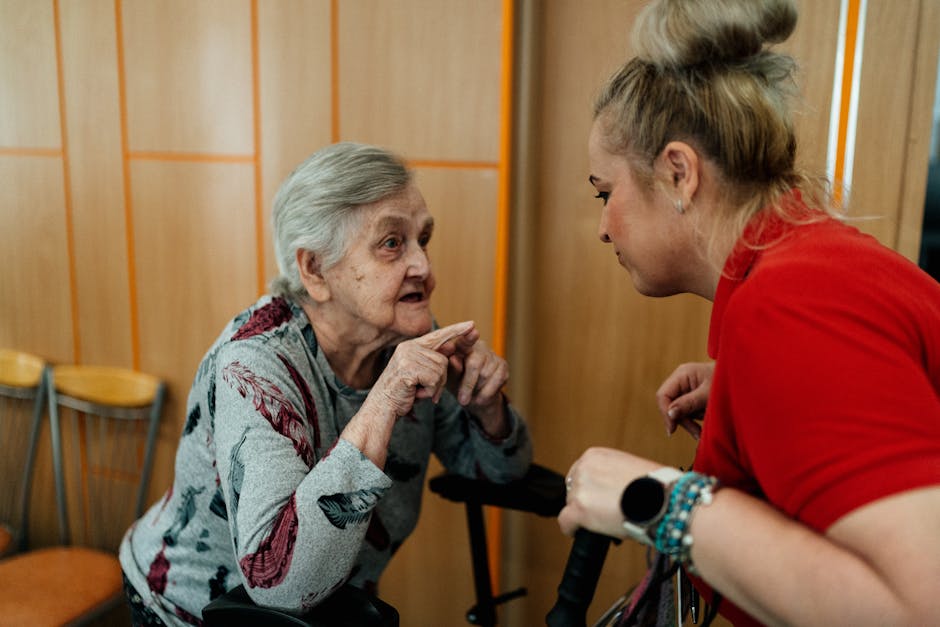
A short walk to the local shops with someone you trust. A first visit to a community group with a support worker beside you. A coffee with a friend you have not seen in months. None of these look dramatic on paper, and that is exactly the point. Social participation under the NDIS is usually built from small, repeatable moments, and those moments are what turn into genuine connection over time.
For people living in Launceston and across Northern Tasmania, the practical question is often not whether social participation is a good idea, but how to begin when energy, confidence or transport are limited. This article looks at what social participation funding covers, why small steps tend to work, and how the right support worker can make the difference between a goal that sits in a plan and one that actually happens.
What social participation means under the NDIS
Social and community participation is the part of an NDIS plan that helps people get out and take part in everyday life. In practice, it often means receiving core funding to pay for a support worker who can help you access public spaces, build relationships and join in activities you enjoy.
The NDIS aims to fund social and community activities as a way of reducing isolation and supporting people to enjoy what life has to offer. That might be a social or recreational group, a community event, a library or park visit, or simply getting out of the house regularly with someone alongside you.
It is also an area the NDIS has researched closely. Work into social inclusion and community access has looked at the enablers and barriers that shape whether participants are able to take part. The findings reinforce something most people already know from experience: the barriers are often practical, and so are the solutions.
Why small steps work better than big leaps
Big goals are easier to set than to live out. Someone might decide they will join a club, attend every week and make friends, then find the first visit overwhelming and stop going altogether. Small steps lower the stakes. They create room to test something, notice how it feels, and adjust without treating a difficult day as a failure.
They also build evidence. Each outing that goes reasonably well gives you something concrete to build on, and it gives your support worker a clearer picture of what helps and what does not.
Start with one activity instead of a full calendar
Pick a single activity to begin with, ideally something that happens on a predictable day and does not demand much conversation or stamina. A regular short outing is easier to sustain than a busy schedule. Once the first activity feels comfortable, adding a second becomes far less daunting.
Use familiar places as your starting point
New environments ask a lot of a person, while familiar ones do not. Starting somewhere close to home, at a time of day that suits your energy levels, removes some of the pressure and lets you focus on the social side of the outing rather than on finding your way around.

How a support worker fits into the picture
A support worker is not there to arrange your social life for you. The most useful support is practical and steady: transport, company, a reminder of what the plan is for the day, and someone who can step back as your confidence grows. The aim is support with you rather than support done for you.
Consistency matters more than you might expect
Seeing the same person each week makes a noticeable difference. Familiarity removes the need to explain your situation from scratch every time, and it gives both of you a chance to notice progress that might otherwise go unrecognised.
Matching interests, not just availability
A support worker who genuinely shares an interest in the activity makes an outing feel less like a service and more like company. Matching people on personality and interests, rather than filling a roster gap, is one of the simplest ways to improve the odds that community access continues past the first few weeks.
Turning a plan goal into weekly action
Plan goals are often broad, and that is fine. Breaking them into something you can do this week is what moves them forward.
| Broad goal | A realistic first step | What it builds |
|---|---|---|
| Get out of the house more often | A short outing at the same time each week | Routine and familiarity |
| Meet new people | Attend a group activity with a support worker present | Confidence in social settings |
| Build independence | Practise a route, a transaction or a routine with support | Everyday skills and choice |
| Stay connected to family and friends | Plan a regular catch up that is easy to keep | Relationships that last |
Each of these works better when it is written down somewhere visible and reviewed after a few weeks. If something is not working, change the step rather than abandoning the goal.
Understanding how social participation is funded
Social and community participation sits within the core budget of an NDIS plan. Core funding is the flexible part of the budget, covering everyday living supports, and the main categories within it include assistance with daily life, transport, consumables, and assistance with social and community participation.
Because core funding is flexible, supports can often be shifted between categories as needs change. The rules around what can and cannot be claimed do change over time, however. The NDIS has been updating its published information to reflect new legislation, so it is worth checking current guidance on the NDIS website or confirming details with your support coordinator or the NDIS directly before assuming something is covered.
The NDIS office listing for Launceston shows opening hours of 8.30am to 4.30pm, Monday to Friday. If you prefer to speak with someone in person, confirm the arrangements before you travel.

Working out what you actually want to do
Goals that come from someone else tend to fade quickly. Goals that come from your own interests have a way of surviving a bad week.
Separate what you enjoy from what you think you should do
There is no correct way to be social. Some people thrive in a busy group, while others do better with one person and a shared task. Both count as participation, and both are worth funding.
Ask for input, then make the call
Family, friends and support coordinators can offer ideas, and a support worker can point out what has worked for other people. The decision about what to try first should still be yours, because choice and control are what keep a plan realistic.
Building participation in Launceston and Northern Tasmania
Regional life shapes how social participation works. Distances between towns, limited public transport in some areas and smaller social networks all affect what is realistic. On the other hand, smaller communities often make it easier to be known, and a local provider who understands the area can suggest options that suit your circumstances.
Some providers also offer flexible support through telehealth, which can be a gentle starting point for people who find face to face contact difficult at first. It is not a replacement for getting out, but it can help build confidence before a first outing.
Choosing a provider is a decision worth taking slowly. A small, locally based team that matches support workers to participants and keeps those matches consistent tends to suit people who want their support to feel personal rather than transactional.
Common barriers and how to work around them
- Low energy: schedule outings for the time of day when you usually feel best.
- Anxiety about new places: visit once without any pressure to stay long.
- Transport: ask what transport supports are available under your plan.
- Changing routines: keep the day and time consistent so the outing becomes a habit.
- Losing momentum: review progress with your support worker and adjust the step, not the goal.
None of these barriers is unusual, and none of them means social participation is out of reach. They mostly mean the first step needs to be smaller than originally planned.
Frequently Asked Questions
What is social and community participation in an NDIS plan?
It is core funding that can pay for a support worker to help you access public spaces, take part in social or recreational activities and build relationships. It is intended to reduce isolation and support you to enjoy community life, whether that means joining a group, attending events or simply getting out on a regular basis.
Do I need a support worker to take part in community activities?
No. Many people take part independently. Support workers are most useful when transport, confidence, unfamiliar environments or a health condition make going alone difficult. Some people use support at the beginning and then reduce it as their confidence grows and their routine becomes established.
How do I find out whether an activity is covered by my funding?
Check your plan and speak with your support coordinator, or contact the NDIS directly. Published NDIS information has been updated to reflect new legislation, so details can change. Confirming before you commit to an activity is the most reliable approach.
How long does it take to build social participation?
There is no set timeframe. Progress usually comes from repetition rather than intensity. A consistent weekly outing that feels manageable will generally achieve more over a few months than a busy start that becomes overwhelming and stops. Review how things are going regularly and adjust the pace to suit you.