

Personal care support at home is easier to say yes to once you know what it involves. Who arrives, what they do while they are there, how much of your routine they take over and how much they leave to you. For people in Launceston starting with a new provider, or reviewing the personal care in an existing plan, the same questions come up again and again. Here is how a typical visit usually runs.
What personal care support at home covers
In Launceston, disability support services generally cover personal care, transport, meal preparation, therapy assistance and community access. Personal care is the part that relates to your body and your daily routine. It can include showering or bathing, drying, dressing, hair and grooming, oral care, shaving and continence support.
It also includes the quieter parts of a morning: supervision, prompting and standing by while you do something yourself. The mix is different for everyone. One person may need hands on help through most of a shower, while another only wants someone nearby for the last few steps, such as socks, shoes or a hair dryer.
Before the first visit: agreeing what support looks like
Good providers do not turn up and guess. Before support starts, someone should talk with you about what you want help with, what you would rather do yourself, what time of day suits your routine, and what equipment or products you use.
Practical details matter too, such as the gender of a support worker if that matters to you, whether family members will be home, how the worker gets in, and who to contact if your plans change. Ask early how the provider handles things if your needs shift over time, because they usually do. Write the answers down somewhere you can find them later.
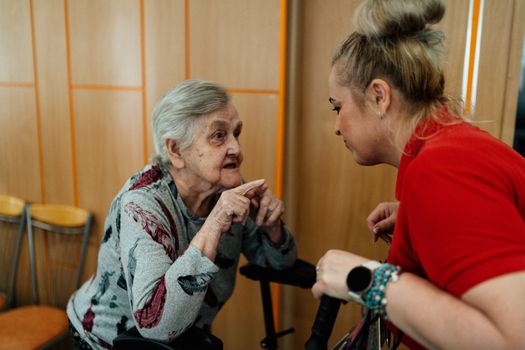
A typical personal care visit, step by step
No two visits are identical, but most follow a similar shape. The detail is always set by your routine and your preferences, not by a checklist the support worker brings through the door.
Arriving and checking in
The support worker arrives at the agreed time, knocks or uses whatever entry arrangement you have set up, and says hello. A good start includes a quick check on how you are feeling and whether anything has changed since the last visit. Some people like to talk through the plan for the morning. Others prefer quiet and getting straight on with it. Either is fine, and it should be your call.
Showering, dressing and grooming
This is usually the centre of the visit. The support worker helps with the parts you cannot manage on your own or that leave you exhausted, and steps back for everything else. That might mean washing your back and feet, helping you in and out safely, drying, then dressing, brushing hair, cleaning teeth or shaving.
Privacy and dignity are part of the job, not an extra. Door closed, towel within reach, and only the help you have asked for.
Breakfast, meals and household jobs
Daily support in Launceston often includes meal preparation, cleaning and general supervision alongside personal care. That could mean cooking breakfast while you dress, or preparing something for later in the day. It might also include dishes, wiping down the kitchen or putting a load of washing on.
What is included depends on what has been agreed in your plan, so check whether the visit is personal care only or a mix of personal care and household tasks.
Leaving you set up for the day
Some visits end once you are dressed and settled. Others finish with you ready to head out, with a hand with transport or community access to an appointment or activity. A thoughtful finish looks like a drink within reach, your phone and remote nearby, and a clear note of anything that needs following up next time. Small things, but they change how the rest of your day feels.
How visits are scheduled and how long they run
Visits are built around your routine rather than the provider's timetable. Morning and evening slots are the most common because that is when personal care happens, but the tasks and the length of the visit are set by your funding and your plan. If you need more time for a shower, or you would prefer one longer visit that covers both personal care and a household task, raise it with your provider. Support can usually be arranged if it fits within your funding.

Consistency, matching and backup cover
A support worker who knows your routine is worth more than a perfect roster on paper. Unique Needs is a small, locally owned team, and matching people with support workers who suit their personality, interests, needs and goals is a deliberate part of the approach.
Backup cover is worth asking about as well. Directories that list support worker providers in Launceston often suggest comparing screening checks and confirming what happens when your usual worker is unavailable, because continuity of support matters as much as the tasks themselves.
Paying for personal care at home in Launceston
Personal care at home is funded in a few different ways. If you are an NDIS participant, personal care sits within your plan, and your support coordinator or planner can confirm what is funded. If you are an older Australian, the aged care system is the usual pathway, and My Aged Care can help you find a provider.
The Department of Health, Disability and Ageing line is 1800 200 422, open Monday to Friday 8am to 8pm and Saturday 10am to 2pm. Some providers also work with people who pay privately. Confirm the details with the provider before you start so there are no surprises.

Questions to ask before you start
A short conversation now saves a lot of frustration later. These are the questions worth putting to any provider you are considering in Launceston:
- What exactly is included in a personal care visit, and what is not?
- Will I have the same support worker most of the time, and what happens when they are away?
- Can personal care and household tasks be combined in one visit?
- What screening checks do your support workers complete?
- How do I raise a concern or ask for a change to my support?
- Who do I contact if something changes at short notice?
Frequently Asked Questions
Does a personal care support worker help with showering and dressing?
Yes, this is usually the core of a personal care visit. A support worker can assist with showering or bathing, drying, dressing, hair, grooming, oral care and shaving, and can step back for any part you prefer to do yourself. What is included is agreed in advance, so your routines, preferences and dignity are respected from the very first visit.
Can I have the same support worker every visit?
Many people do, and consistency is one of the strongest reasons to choose a smaller provider. A local team can often match you with support workers who suit your personality, interests and needs, then keep that arrangement steady. Backup cover still matters, so ask what happens when your usual worker is unwell or on leave.
Can personal care and household tasks happen in the same visit?
Often, yes. Many providers combine personal hygiene support with meal preparation, cleaning and general supervision in a single visit. That suits people who would rather have one worker help with both the morning routine and the kitchen than organise two separate bookings. What can be combined depends on your funding and what has been agreed in your plan.
Do I need to be an NDIS participant to get personal care at home in Launceston?
No. Personal care at home is delivered through both the NDIS and the aged care system, and some providers also work with people who pay privately. If you are an older Australian, My Aged Care can help you find a provider, and you can call 1800 200 422 Monday to Friday 8am to 8pm, or Saturday 10am to 2pm.
What should I ask before booking a personal care visit?
Ask what tasks are included, who will be coming, whether you can request a particular support worker, what screening checks are in place, and what happens if your regular worker cannot attend. It also helps to ask how changes are handled, since routines and needs shift over time. A provider should be comfortable answering all of it before you commit.