
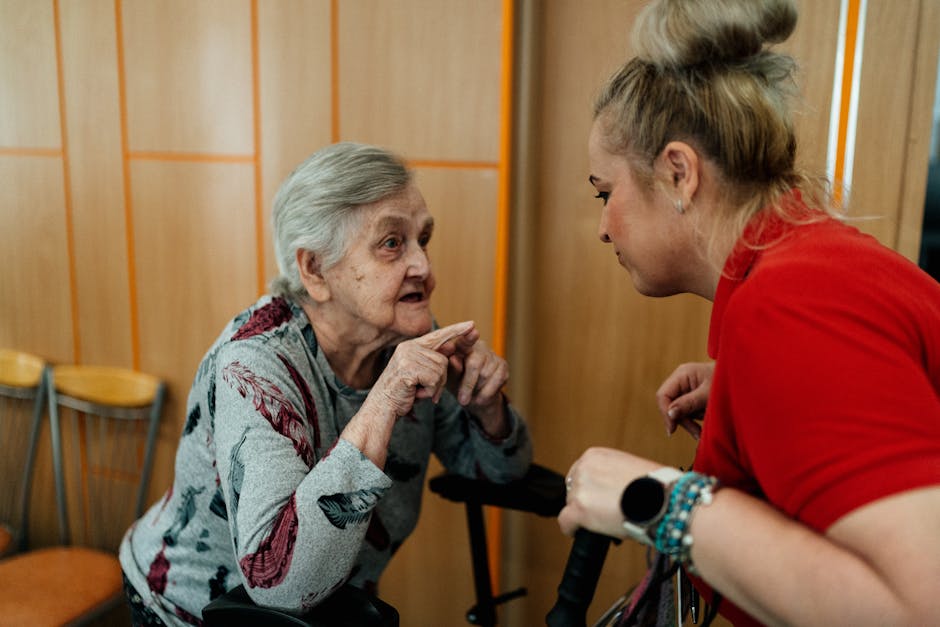
Safeguarding is the collection of protections that keep people with disability safe while they receive support. It covers the formal systems that providers and regulators put in place, but it also covers the everyday things that help a person speak up, be heard and stay in control of their own life.
Understanding how safeguarding works makes it easier to ask good questions, recognise when something is not right, and know where to take a concern. This guide explains the main ideas, the risks that exist, and the practical protections that should sit around every person receiving disability support.
What safeguarding means in disability support
People with disability can face risks to their safety, including when they take part in the NDIS. Those risks can arise from intentional actions, meaning something done on purpose, or from unintentional actions, meaning something done by accident. Both can cause real harm.
A key principle in the NDIS Review's work on participant safeguarding is that each participant is the expert on what safety looks and feels like to them. Safety is not a single standard that applies the same way to everybody. What feels safe to one person might feel restrictive or uncomfortable to another.
The NDIS is a large system, and everyone involved has a role to play in safeguarding. That includes the participant, their family and chosen supports, their support coordinator, their provider, support workers, and the national bodies that oversee quality and safety.
Natural safeguards: the protections you build around yourself
Not all safeguarding comes from policies and paperwork. Safeguards can be natural, such as the skills, confidence and support from family, friends and community that help a person speak up if they are unhappy with a support.
These natural safeguards grow over time. They include knowing your own routines and preferences well enough to notice when something changes, having people in your life who will listen and take you seriously, and feeling confident enough to raise a concern rather than let it pass.
For providers, this means that building confidence and connection is not separate from safety. It is part of it. A person who has strong relationships and communication skills is better placed to notice problems early and get help quickly.
Why people who rely on support services face greater risk
Research on safeguarding children and adults in the disability services context has found that people with disability who rely on support services, and particularly residential care services, are at increased risk of abuse and neglect. The harm described in that research is not only physical. It can be emotional and psychological as well.
The same body of work notes that while efforts have been made to reduce this risk, service providers continue to struggle to guarantee a safe environment, and people continue to be harmed. That is an uncomfortable finding, but it is an important one. Safeguarding is not a box that gets ticked once. It requires ongoing attention.
Work on preventing violence against people with disability in institutional settings has focused on safeguarding and oversight as the main strategies. Oversight means someone independent is paying attention to what happens inside a service, not just the people delivering it.
Your rights as a person receiving support
The NDIS was founded on human rights, with the aim of giving people with disability the supports they need to participate fully in society. That foundation matters, because it frames support as something a person is entitled to rather than something they should feel grateful for.
In practical terms, good support should protect your dignity, respect your choices, and keep you informed about what is happening and why. You should be able to ask questions about your supports without feeling like you are causing trouble. You should be able to change your mind about a worker, a routine or a service without losing access to support altogether.
The sector literature on quality and safeguarding points to person-centred, active support as the approach with the strongest evidence base for improving life outcomes for people with intellectual disability living in group homes. Safety and good support are not competing priorities. They are the same priority.
What good safeguarding looks like day to day
Safeguarding shows up in ordinary moments rather than in a manual. Signs that a provider takes it seriously include:
- Support workers who know the person well and notice changes in mood, health or routine
- Consistent staffing where possible, so the person is not explaining themselves from scratch every shift
- Clear, understandable information about how to raise a concern and what happens next
- Workers who listen when a person says no, or says they are uncomfortable
- Records and communication that keep family, coordinators and other supports informed with the person's consent
- A culture where staff feel able to report problems rather than cover them up
None of these things rely on a person making a formal complaint. They rely on the service paying attention.
Who holds responsibility for safeguarding
Safeguarding is shared rather than owned by one party. The table below outlines the broad layers.
| Layer | What it covers |
|---|---|
| Natural safeguards | Skills, confidence and support from family, friends and community to speak up when something is wrong |
| Provider practice | Person-centred active support, consistent workers, safe routines, and responding properly when concerns are raised |
| System oversight | The NDIS Quality and Safeguarding Framework and the national body responsible for quality and safeguarding across the NDIS |

The NDIS Quality and Safeguards Commission
The NDIS Quality and Safeguards Commission is the national body with responsibility for quality and safeguarding in the NDIS. Its work sits behind much of the guidance that providers are expected to follow.
The Commission has supported sector work on safeguarding quality service delivery, including the launch of Disability Practice: Safeguarding Quality Service Delivery, which was marked at an event in Melbourne in February 2024. It also publishes quality and safeguarding updates, which have covered matters such as an inquiry into the Commission itself.
Because processes, guidance and priorities change over time, it is best to check the Commission's own website for the current position on raising a concern, complaints and provider obligations rather than relying on second-hand information.
What to do if you feel unsafe or unhappy with a support
Start with the people closest to you. Family, friends, an advocate, or a support coordinator can help you work out what happened and what you want to change. Having someone with you when you raise an issue often makes the conversation easier.
You can also raise the matter directly with your provider. A well-run service will take the concern seriously, tell you what it intends to do, and follow up. If you are not satisfied with the response, or if you would prefer to raise it elsewhere, official bodies such as the NDIS Quality and Safeguards Commission publish information about how concerns can be raised.
If you or someone else is in immediate danger, contact emergency services first. Safeguarding processes are there for the situations that sit outside an emergency, not instead of one.

Questions worth asking any provider
Choosing a provider is a good moment to test how safeguarding actually works in practice, not just what appears in a brochure. Useful questions include:
- How do you match support workers with participants, and how consistent will my team be?
- What happens if I am unhappy with a worker or a support?
- How do you train and supervise your support workers?
- How will you communicate with my family, advocate or support coordinator?
- Who do I contact outside business hours if something goes wrong?
Listen closely to the answers. A provider that can explain its processes clearly and without defensiveness is usually a provider that has thought about safety before being asked.
Safeguarding with a small local provider
Unique Needs is a locally owned disability support provider based in Launceston, Tasmania, working with participants across Launceston and Northern Tasmania. The team provides personal care, in-home support, community access, respite and daily living assistance.
The service is small by choice. That means participants can get to know the people supporting them and can communicate directly with the people managing their supports. Workers are matched with participants based on personality, interests, needs and goals, because a good working relationship often matters as much as the task itself.
Support is built around individual choice, dignity, independence, community participation and consistency. The aim is to provide support with people rather than simply doing things for them, which is one of the quieter but more durable forms of safeguarding: a person who is genuinely involved in their own support is far harder to overlook.
Frequently Asked Questions
What is safeguarding in disability support?
Safeguarding refers to the protections that keep people with disability safe while receiving support. It includes natural safeguards such as skills, confidence and support from family, friends and community, as well as provider practices, training, supervision and national oversight through the NDIS Quality and Safeguarding Framework. It is ongoing rather than a one-off check.
Who is responsible for safeguarding an NDIS participant?
Responsibility is shared. Participants are the experts on what safety means for them, while families, advocates, support coordinators, providers and support workers all play a role. The NDIS is a large system, and the national quality and safeguarding body provides oversight. In practice, the strongest protection comes from everyone paying attention rather than relying on a single party.
What are natural safeguards?
Natural safeguards are the everyday protections a person builds around themselves. Examples include practical skills, confidence to speak up, and support from family, friends and community when something is not right. They are not formal processes, but they are often the first thing that helps a person notice a problem and get help.
Why are people with disability at greater risk of abuse and neglect?
Research has found that people with disability who rely on support services, and particularly residential care services, face an increased risk of abuse and neglect, including physical, emotional and psychological harm. This is often linked to dependence on others, limited oversight, and settings where concerns are difficult to raise safely.
What should I do if I am unhappy with a support I receive?
Speak with someone you trust first, such as a family member, friend, advocate or support coordinator. You can raise the issue directly with your provider and ask what will change. If you are not satisfied with the response, official bodies publish information about how to raise a concern. If anyone is in immediate danger, contact emergency services.